
Learn how lithium is obtained through mining and brine extraction and discover why Direct Lithium Extraction (DLE) is shaping the future of lithium production.
5 minutes
How Is Lithium Obtained? A Guide to Lithium Extraction
-
Understanding How Lithium Is Extracted: Methods, Sources & Impact
Lithium, often called "white gold," is a critical element in modern technology. It powers rechargeable batteries used in electric vehicles (EVs), smartphones, and renewable energy storage systems. Understanding how lithium is obtained is essential as global demand for lithium grows. The methods used to extract lithium affect efficiency, cost, and environmental impact.
Lithium is primarily sourced from hard rock mining and lithium brine extraction. However, Direct Lithium Extraction (DLE) is emerging as a more efficient and environmentally friendly alternative. Read on to learn about traditional lithium mining processes, the benefits of DLE, and why Saint-Gobain Lithium Solutions is an ideal partner for DLE.
Global Lithium Resources
Lithium exists in various forms around the world. The richest sources are lithium ore deposits and lithium brines. Hard rock mining targets lithium-rich mineral ores such as spodumene, lepidolite, and petalite.
Lithium brines are water sources containing high concentration of lithium salts. The three main categories of lithium brines include continental, geothermal, or oilfield brines. Continental brines, typically called salt lakes or salars, are the most common source. The main lithium sources globally include:
- South America – The Lithium Triangle (Chile, Argentina, Bolivia) holds massive continental brine reserves. Examples include the Salar de Atacama in Chile and the Salar de Uyuni in Bolivia.
- China – China is rich in both hard rock and salt lake lithium resources. There has been significant development in lithium refinement in the Qinghai-Tibet Plateau.
- Australia – Australia is the world’s largest hard rock lithium producer, mainly from Greenbushes.
- North America – The United States and Canada have growing lithium mining projects to reduce reliance on imports.
- Europe – Countries like Portugal and the United Kingdom are developing lithium sources to support the Electric Vehicle industry.
Traditional Methods of Lithium Extraction
Hard Rock Mining
Hard rock lithium mining involves extracting lithium-bearing minerals, primarily spodumene, from the earth. This method is widely used in Australia, China, and Canada, where large lithium-rich pegmatite deposits exist. The process includes:
- Extraction – Mining operations remove lithium ore from the ground.
- Crushing and Grinding – The ore is broken down into smaller particles.
- Roasting – The ore is heated to high temperatures (over 1,000°C) to convert lithium into a more extractable form.
- Leaching – Chemicals such as sulfuric acid dissolve lithium from the roasted material.
- Purification and Processing – Lithium is further refined into lithium carbonate or lithium hydroxide. Both are key compounds used in battery production.
Hard rock mining is reliable but energy-intensive and produces significant waste material. Processing spodumene ore requires high energy input, making sustainability a concern.
Lithium Brine Extraction
Lithium brine extraction is another common method. This is especially common in South America's "Lithium Triangle" that includes Chile, Argentina, and Bolivia. It has some of the largest lithium reserves in the world. The process includes:
- Brine Pumping – Lithium-rich brine from underground reservoirs is pumped into large evaporation ponds.
- Evaporation – Sunlight and wind cause the water to evaporate over months or years, increasing the concentration of lithium salts.
- Chemical Treatment – The brine undergoes a series of purification steps to remove impurities. The final output is lithium carbonate or lithium hydroxide.
While brine extraction is less energy-intensive than hard rock mining, it requires large amounts of water and land. The evaporation process is slow, and concerns about water depletion in arid regions make this method a climate risk in the long term.
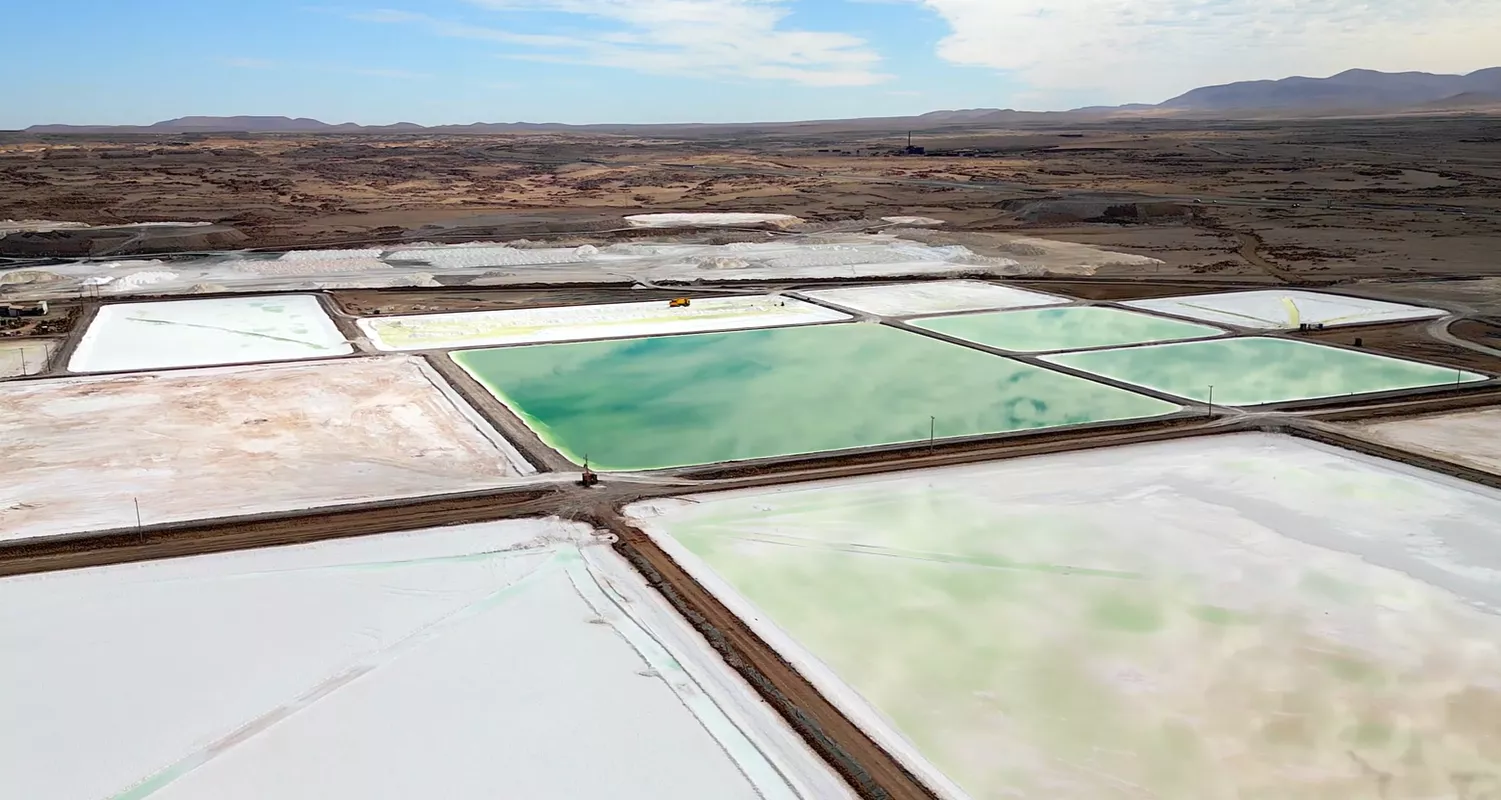
PHOTO: Salar ponds in various stages of evaporation as part of a lithium brine extraction operation.
The Emergence of Direct Lithium Extraction (DLE)
As demand for lithium rises, the limitations of traditional methods drive the search for better alternatives. Direct Lithium Extraction (DLE) is a groundbreaking technology that enhances efficiency and reduces environmental impact. Unlike evaporation ponds, DLE uses advanced filtration, adsorption, or ion exchange processes to extract lithium directly from brine sources.
How DLE Works
Several types of DLE technology exist, including:
- Adsorption-Based DLE – Lithium-selective materials extract lithium from brine, while other minerals are left behind.
- Ion Exchange DLE – Resins or membranes selectively capture lithium ions, improving recovery rates.
- Solvent Extraction DLE – Chemical solvents dissolve lithium, allowing for faster and more targeted extraction.
DLE offers multiple benefits:
- Faster Processing – Extraction occurs in hours or days rather than months or years.
- Higher Lithium Recovery – Traditional brine extraction loses a significant portion of lithium, while DLE captures more.
- Lower Environmental Impact – DLE reduces land and water use, making it a more sustainable option.
Many companies, including both industry veterans and start-ups, are advancing DLE technologies. This shift highlights the increasing focus on sustainable lithium extraction.
Saint-Gobain Lithium Solutions: A Key Partner for DLE
Saint-Gobain Lithium Solutions plays a crucial role in advancing Direct Lithium Extraction. As a trusted domestic partner in the US, the business specializes in lithium-selective ceramic sorbents that enhance DLE efficiency. These sorbents:
- Increase lithium recovery rates by selectively capturing lithium ions.
- Enhance process efficiency by integrating into existing DLE technologies.
- Support rapid scale up with an established manufacturing footprint in the US and Europe.
The team specializes in ceramic shaping, chemistry, and application testing. Tailoring the structure and chemistry of these sorbents to different systems creates an efficient and dependable solution for DLE.
Conclusion
The future of lithium extraction is shifting toward more sustainable and efficient methods. While traditional techniques like hard rock mining and brine evaporation have been essential for lithium production, Direct Lithium Extraction offers a transformative alternative. By adopting DLE, the industry can increase lithium supply while reducing environmental impact.
Saint-Gobain Lithium Solutions stands ready to support DLE development. Contact us today to learn more about our offering.
References & Further Reading
Fan, F. (2025, January 8). China announces finding of 2,800-km lithium belt, home to World’s 2nd largest reserve. Global Times. Global Times article on lithium belt discovery
Lithium prices, Forecasts & Market Analysis. Benchmark Mineral Intelligence. (n.d.). Benchmark Minerals lithium market analysis
U.S. Geological Survey, Mineral Commodity Summaries, Lithium. USGS. (2023, January). US Geological Survey lithium report (PDF)
IEA (2021), The Role of Critical Minerals in Clean Energy Transitions, Paris, IEA report on critical minerals in clean energy transition Licence: CC BY 4.0